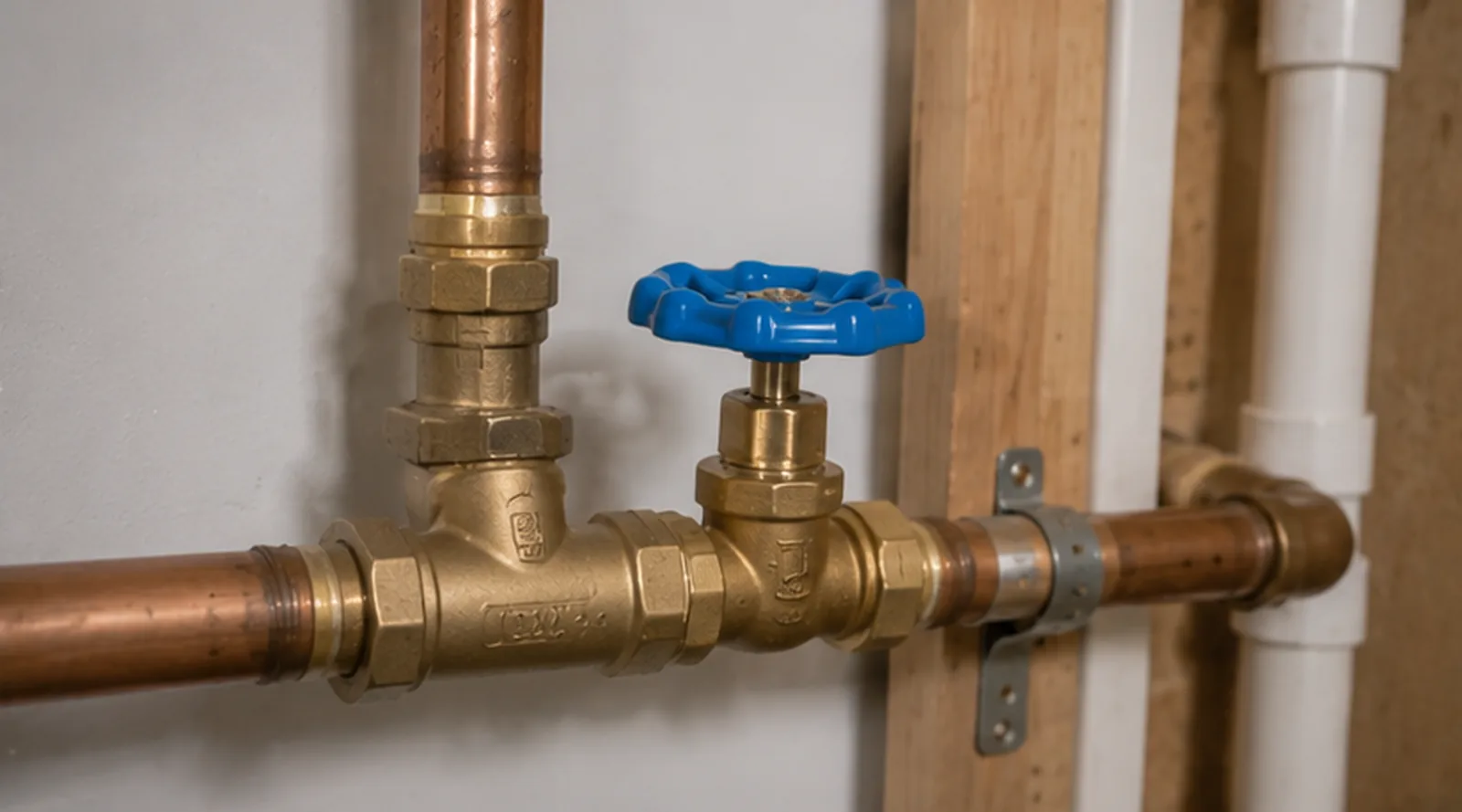
Well Water Testing
For the rural and acreage homes around Hastings that draw from a private well — independent bacteria, nitrate and contaminant testing, plus a hands-on look at the well and pressure system that keep the water flowing.
Once you leave Hastings city water and move out toward Marshan, Nininger, Ravenna and the bluff acreages along the Mississippi, the home almost always draws from a private well — and nobody is testing that water but you. There is no municipal utility checking it, no annual report in the mail. A well-water test before closing is the one practical way to know what you'd actually be drinking, and it fits naturally alongside the rest of the inspection.
The water and the system behind it
Well testing is really two questions answered together. First, is the water safe — free of bacteria, within safe nitrate limits, and clear of the contaminants that show up in Dakota County groundwater? Second, is the equipment that delivers it sound — the well itself, the pressure tank, the pump and the lines? A clean lab result on a failing pressure system, or a healthy pump pulling questionable water, only tells you half the story. We pull a properly handled sample for the laboratory and, on the same visit, inspect the visible well and pressure components as part of your inspection under the InterNACHI Standards of Practice. Your written report lands within 24 hours; the lab analysis follows on its own turnaround, and we line both up against your closing date.
What we check
Sampling and inspection in one visit so you get the full picture of a private water supply.
- Total coliform and E. coli bacteria, the core safe-to-drink screen
- Nitrate and nitrite levels, a real concern in agricultural Dakota County
- Optional panels — arsenic, lead, manganese and, on the east and south fringe, PFAS
- Well head, casing and visible cap condition for surface-water entry points
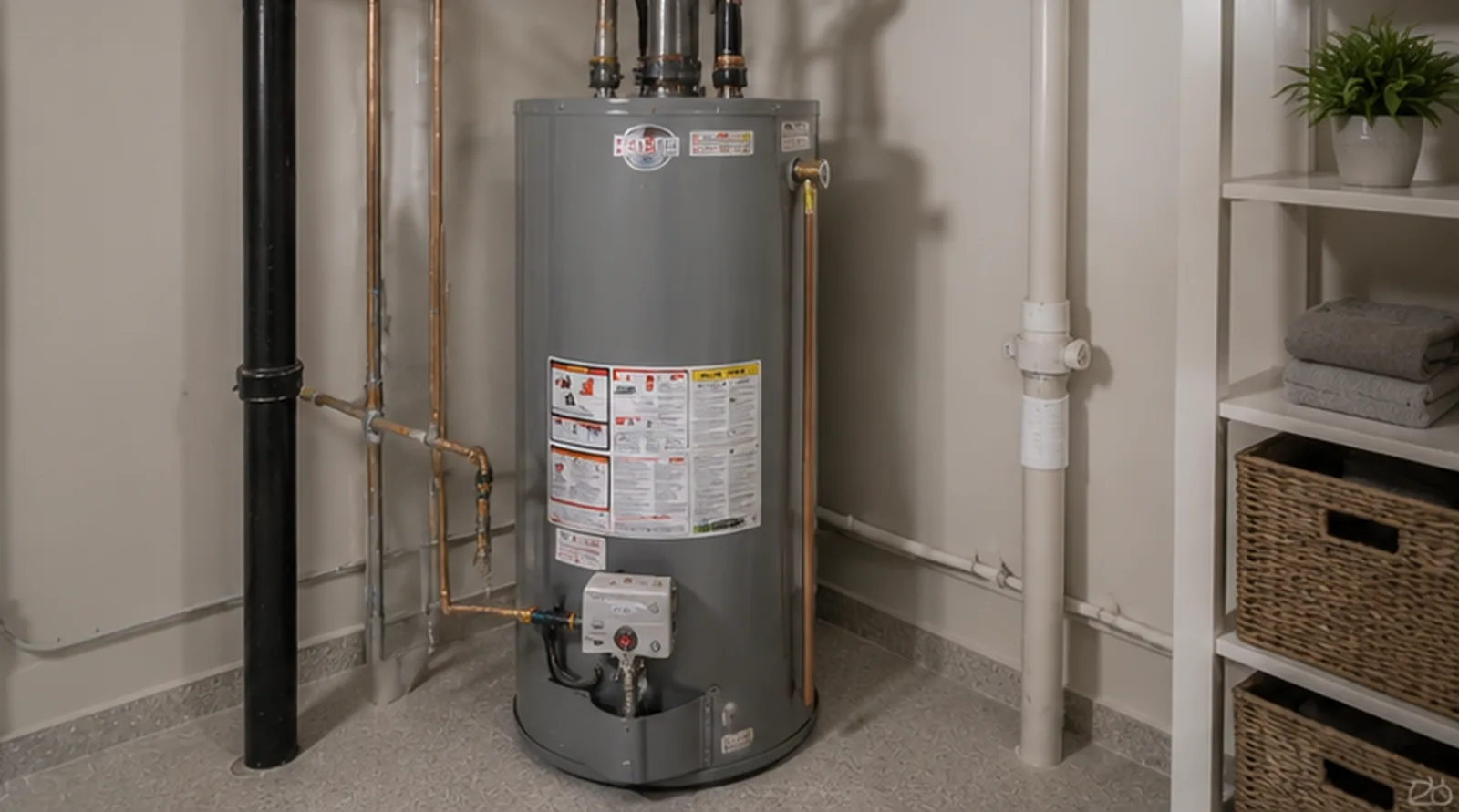
- Pressure tank, switch and a static and recovery pressure reading at the fixtures
- Any softener, filter or treatment equipment already on the system
Why it matters around Hastings
Hastings sits on the Mississippi in Dakota County, and the land just outside the city tells two stories at once. To the south and west you're in row-crop country, where nitrate from fertilizer is a documented groundwater issue — older or shallow wells can carry levels that matter for infants and pregnant residents in particular. To the east and toward Washington County, the 3M Cottage Grove manufacturing legacy left a PFAS plume that state agencies continue to track; rural wells on that fringe deserve a closer look. Add the area's older drilled and bored wells, some with aging casing or caps that no longer seal out surface water, and "the water's been fine for years" stops being reassurance and starts being a guess. A lab test replaces the guess with a number you can act on — and it's far cheaper to learn about a problem now, with the result in hand, than after you own it.
Well testing pairs naturally with a couple of other checks worth scheduling on the same visit. Many Hastings-area homes sit in radon Zone 1, so it's worth reading our radon testing page if the property has a basement or lower level. And if the home is on a septic system — most rural wells are — the sewer scope tells you whether the waste side is as healthy as the supply side. Booking them together keeps everything on one timeline and one report.