Historic Home Inspection for Hastings' old downtown core
Pre-1900 limestone, balloon framing, knob-and-tube and slate roofs need an inspector who knows what's normal for a 130-year-old house — and what's a walk-away.
Hastings has one of Minnesota's deepest concentrations of pre-1900 housing — a downtown laid out along the Mississippi in the 1850s and 1860s, with dozens of buildings on the National Register and whole blocks of brick Italianates, gabled Victorians and early Craftsman homes still standing on their original limestone. These houses are remarkable, but they were built to a different rulebook. A generic checklist inspection misses the context: what counts as normal aging in a 130-year-old foundation, which "defects" are simply how the house was built, and where the real risk is hiding.
A historic home inspection reads the building in its own language. We follow the InterNACHI Standards of Practice like every inspection, but we bring the background that a balloon-framed, rubble-foundation home demands — so the report tells you which conditions are stable, which are repairable, and which genuinely change the math on the purchase.
Old does not mean bad
The single most useful thing an inspector can do on an antique house is separate character from condition. A limestone rubble foundation with no poured footing can be perfectly sound after a century and a half. Plaster cracks, sloping floors and out-of-square door frames are often just a house that settled long ago and stopped moving. Our job is to tell you, in plain language, where you're looking at the patina of age versus an active problem that needs a dollar figure attached.
What we check on a historic Hastings home
We focus the inspection where age actually concentrates risk, and we're explicit about what is and isn't visible behind plaster, brick and original finishes.
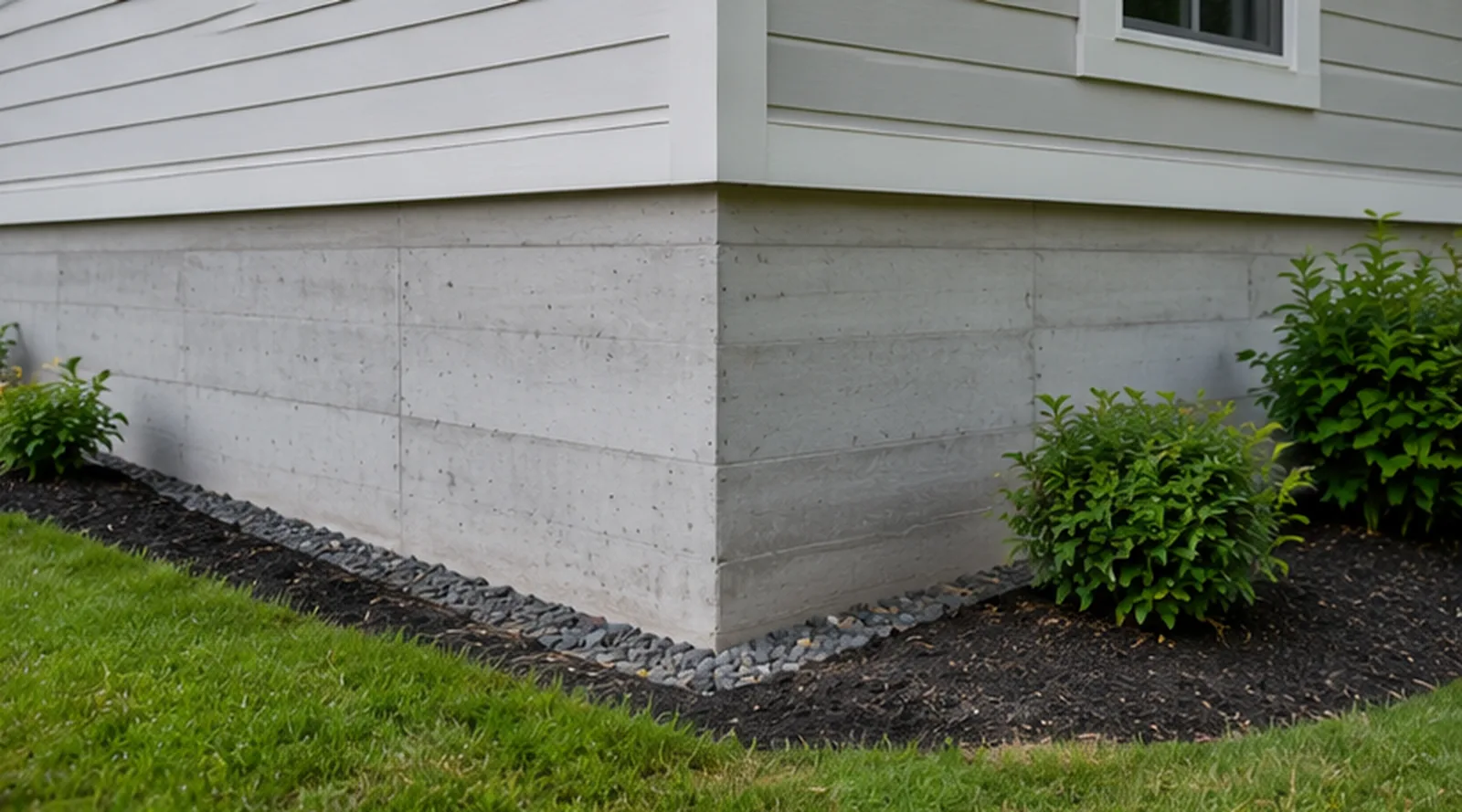
- Limestone & rubble-stone foundations — mortar erosion, parge failure, displaced stone, water entry at grade
- Balloon framing and the lack of fire-blocking that comes with it
- Knob-and-tube and early wiring — what's live, what's abandoned, what an electrician should evaluate
- Original or layered roofs — slate, wood-shake remnants and the patches stacked on top
- Aging galvanized supply lines and cast-iron drains nearing end of life
- Moisture metering and thermal imaging through plaster and masonry, plus a sewer-scope camera on the old clay lateral when accessible
Where a system is buried in original construction and can't be safely observed, we say so directly rather than guessing — and we tell you what specialist, if any, is worth bringing in next.
Why it matters in Hastings
Two local realities make the historic inspection worth doing right. First, Hastings sits in the Mississippi river valley on bluffs and floodplain soils, and many of these basements were never built to stay dry — coal-cellar walkouts, stone window wells and below-grade additions all invite water. Reading the foundation and the drainage together is the difference between a damp-but-fine basement and a structural concern.
Second, Dakota County is a designated radon Zone 1, the EPA's highest-risk tier, and older homes with stone foundations and rubble floors offer radon plenty of paths indoors. A historic home inspection is the right moment to plan testing and, where needed, mitigation that respects the building.
Throughout, the report is delivered within 24 hours, written so you and your agent can act on it during a tight inspection window — and it's an independent inspection that works for the buyer, not the sale. If you're weighing an older property, pair this with our foundation inspection for a deeper structural read, or our radon testing to close out the Zone 1 question before you commit.