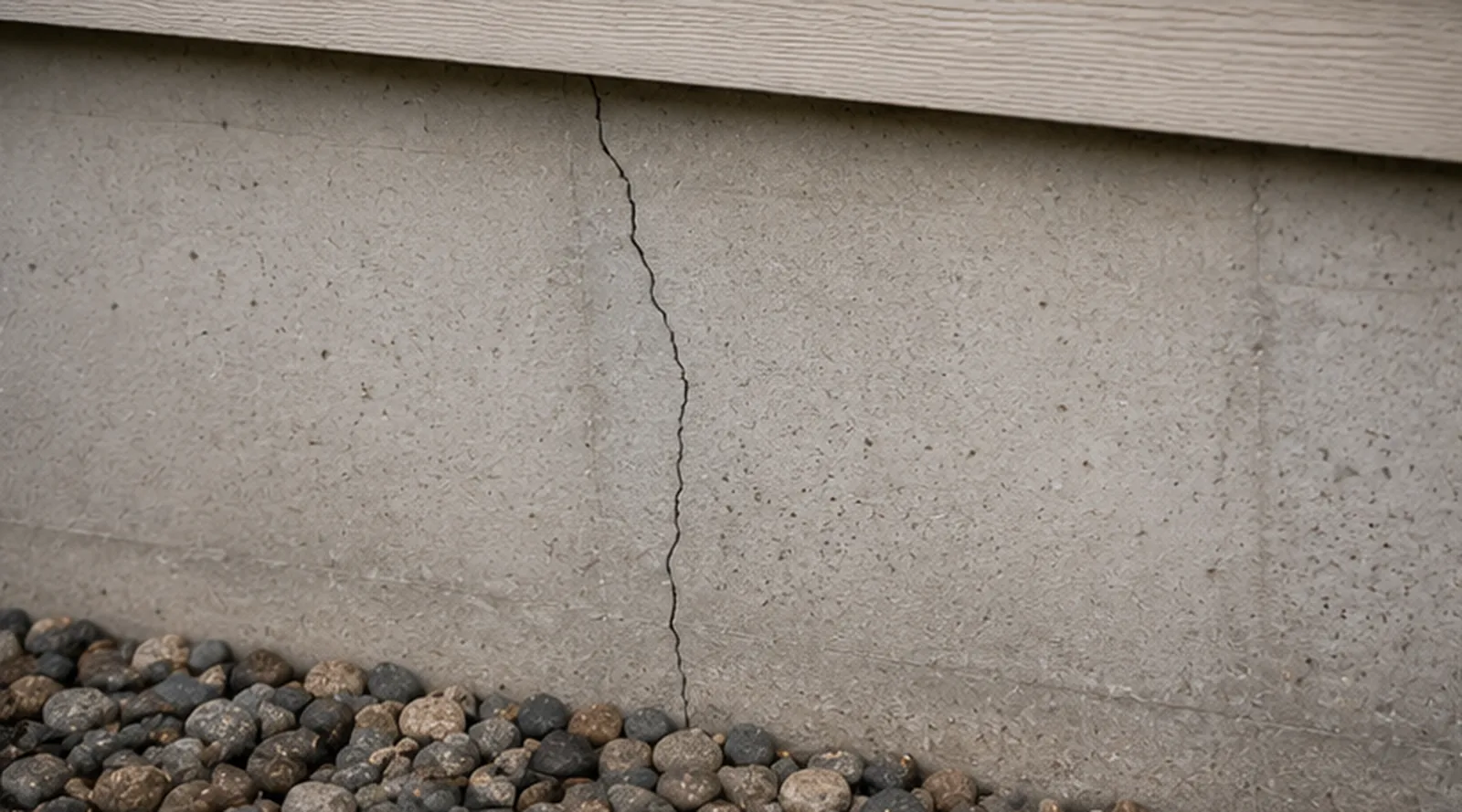
Foundation & structure, read honestly
An independent assessment of footings, walls, settlement and water intrusion — built for the bluff homes, limestone-rubble basements and river-valley soils that make Hastings foundations their own animal.
The foundation is the one component you can't easily replace, and it's the one buyers worry about most. In Hastings that worry is well-founded: this is a river town built on bluffs, glacial outwash and a downtown core older than the state highway system. A foundation that would be unremarkable in a 1990s rambler reads very differently a block off the Mississippi.
Our foundation evaluation looks past the cosmetic patch job to what the structure is actually doing. We follow the InterNACHI Standards of Practice for foundations, footings and structural framing, then go further where Hastings demands it — tracing crack patterns wall by wall, checking walls for plumb and bow, reading door and window operation as a tell for movement, and tying it all back to the grading and drainage outside. You get a clear, photo-documented picture of what's stable, what's active, and what deserves a structural engineer's second opinion. Your full report lands within 24 hours.
We work only for you. There's no contractor relationship steering us toward "needs major repair," and no agent leaning on us to wave it through. If the foundation is sound, we'll say so plainly. If it's moving, we'll show you the evidence.
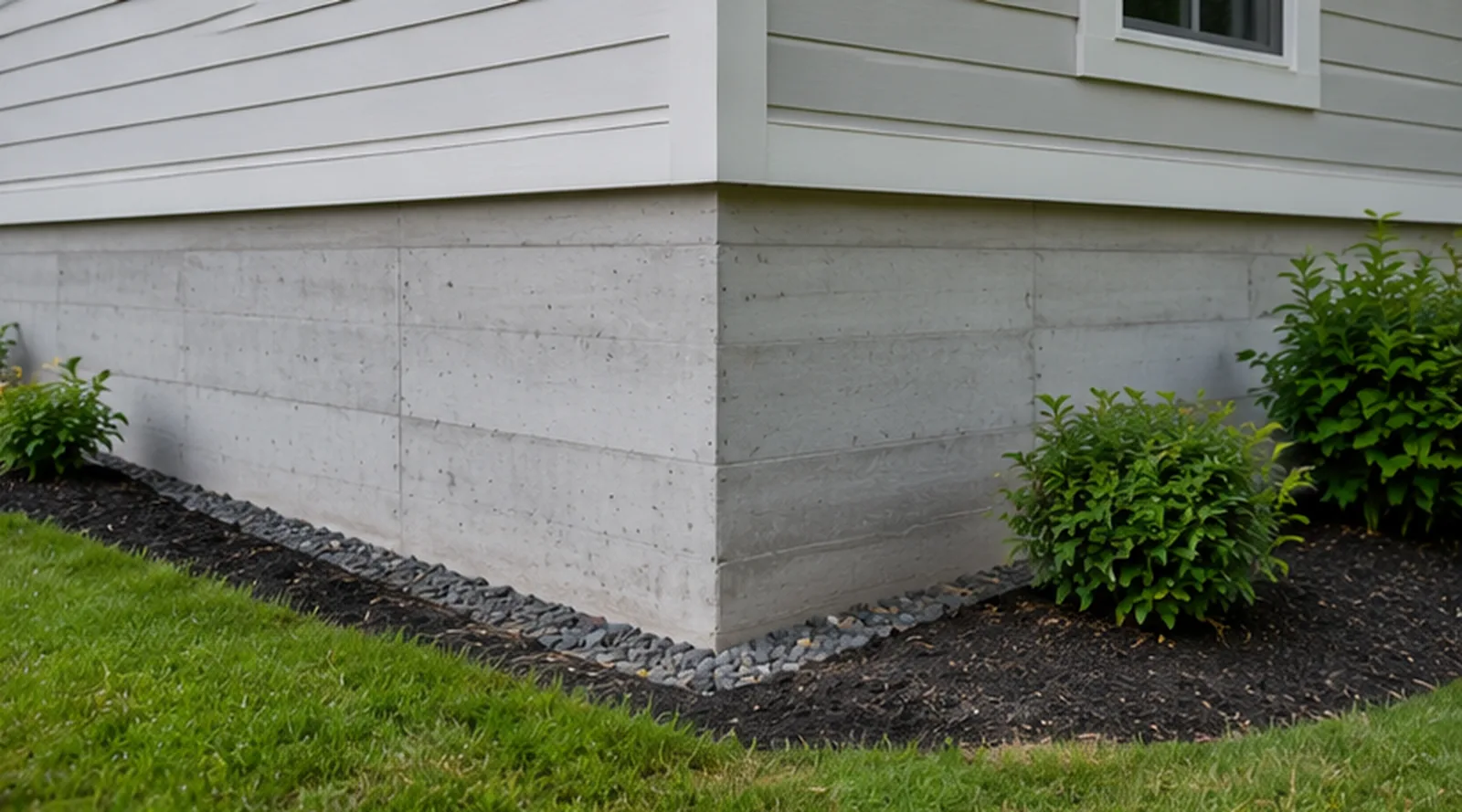
What we check on every foundation
Foundations rarely fail in one dramatic moment — they tell their story in patterns. We map those patterns instead of reacting to a single crack.
- Foundation walls — poured concrete, block, brick and historic limestone rubble — for cracking, spalling and deterioration
- Vertical, diagonal and stair-step crack patterns, with horizontal cracks flagged as the serious ones
- Walls checked for plumb and inward bow — the signature of lateral soil pressure on bluff lots
- Differential settlement read through floor slope, sticking doors and racked window frames
- Water intrusion, efflorescence and moisture metering at the base of walls and slab
- Sump pump, drain tile evidence and grading/downspouts that drive water toward or away from the wall
- Beams, posts, sill plates and framing connections for rot, undersizing or prior amateur repair
Why it matters specifically in Hastings
Two things set Hastings foundations apart, and out-of-area inspectors routinely miss both. First, the bluff. Homes along 2nd, 3rd and 4th Street West and the streets climbing up from the river sit on sloped river-valley soils that creep downhill under their own weight and shift with moisture. That lateral load pushes on the uphill foundation wall — so the bow and the horizontal cracking show up on one side, while the downhill side looks fine. Read in isolation, it's easy to dismiss. Read together, it's a clear story.
Second, the age. Downtown Hastings has a deep stock of pre-1900 homes whose original foundations are limestone or fieldstone rubble — stone laid up with lime mortar, often with no real footing and no waterproofing membrane. These walls can perform for another century or fail under modern drainage; the only way to know is to inspect the mortar, the bulge and the moisture together. Many of these basements have also been "improved" over the decades with parged coatings or sister walls that hide as much as they fix.
Add Dakota County's freeze-thaw winters and the fact that Hastings sits in a high-radon area, and the foundation conversation naturally connects to the rest of the basement. We tie our findings to drainage and water management, and where moisture or soil-gas pathways turn up we point you toward a radon test or a closer look in your full buyer's inspection so nothing falls through the cracks — literally.
From walk-down to report in 24 hours
Exterior read
We start outside — grade, downspouts, retaining walls and the slope of the lot — because most foundation problems begin with where the water goes.
Wall-by-wall mapping
Inside, every accessible wall is checked for cracks, bow and plumb, with moisture metering at the base and photos of each finding.
Active vs. stable call
We weigh crack patterns, door operation and freshness to separate old, settled movement from problems that are still progressing.
Plain-language report
Within 24 hours you get a documented report telling you what's cosmetic, what to monitor, and what warrants a structural engineer.