Electrical inspection that reads the whole system
From the service drop and main panel to the last receptacle, we evaluate the wiring, grounding and safety devices in your prospective Hastings home — and we name the panels and wiring methods that quietly fail.
A home's electrical system is the one defect category where a missed problem can start a fire. We inspect the service entrance, panel, branch circuits, grounding and bonding, and the protective devices in living spaces — then write it up in plain language so you understand what is normal wear, what is a safety hazard, and what should be on an electrician's desk before closing.
What an electrical inspection covers
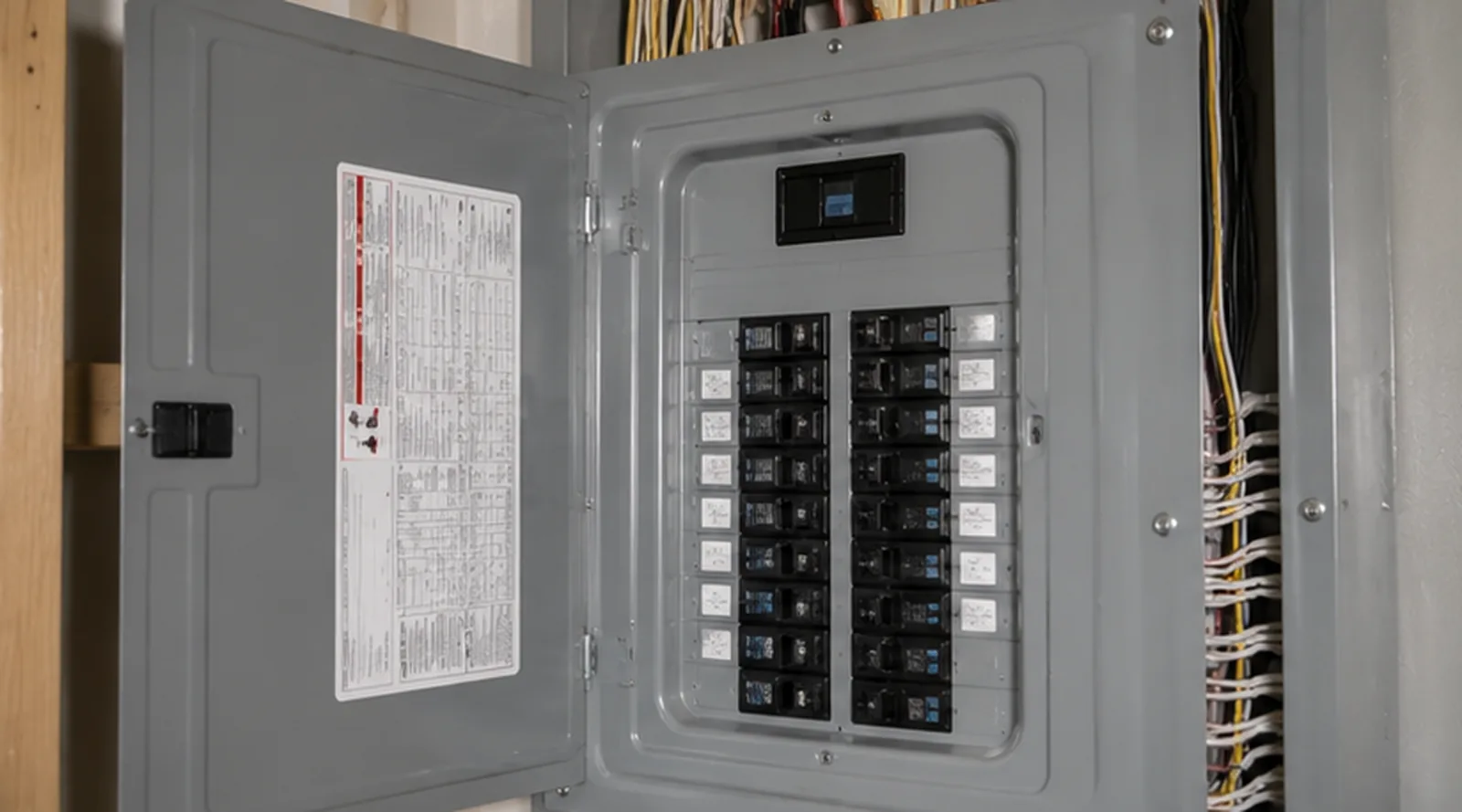
Following the InterNACHI Standards of Practice, we evaluate the visible and accessible electrical system: the service amperage and condition of the meter and service drop, the main and any sub-panels, conductor types, overcurrent protection, grounding and bonding, and a representative sample of switches, receptacles and fixtures. Where panels are accessible and safe to open, we remove the cover to inspect the interior — the place where double-tapped breakers, missing bonding screws and aging equipment actually show themselves.
Hastings has a wide spread of housing stock, and each era brings its own electrical story. The 1970s ramblers out toward Westview, the riverfront homes downtown near Second Street that predate 1900, and the newer builds south of the bypass all need a different eye. We pair the panel inspection with thermal imaging where it helps — warm breakers and connections often read on the camera before they ever trip.
What we check at the panel and beyond
The panel tells most of the story. We document the brand, the amperage, the conductor material, and the condition of every connection we can safely see — then trace those findings out to the rooms.
- Federal Pacific Stab-Lok and Zinsco panels with documented failure-to-trip histories
- Aluminum branch wiring and the connections most prone to overheating
- Knob-and-tube and ungrounded circuits in pre-1900 homes
- Double-tapped breakers and improperly sized overcurrent protection
- Grounding and bonding deficiencies, missing bonding screws and open grounds
- Reversed polarity at receptacles and missing GFCI/AFCI protection
Why it matters in Hastings
The big concern in older Hastings homes is the panel itself. Federal Pacific Stab-Lok panels — common in homes wired through the 1960s and 70s — and Zinsco panels have a well-documented history of breakers that fail to trip under fault conditions, leaving the circuit energized when it should shut off. We don't condemn them on the spot, but we flag them clearly and recommend evaluation and usually replacement by a licensed electrician. That is a real number to negotiate, not a footnote.
Aluminum branch wiring from the mid-1960s to mid-1970s is the other quiet hazard. Aluminum expands and loosens at connections over time, and the fix is specific — proper terminations or approved connectors, not a coat of paint. In the oldest riverfront homes near downtown, knob-and-tube wiring and a complete absence of grounding are common; these systems can be safe when undisturbed but become dangerous once buried in insulation or extended with modern circuits.
Finally, missing GFCI protection at kitchens, baths, exteriors and unfinished basements — and AFCI protection on bedroom circuits — is one of the most frequent findings across every price point. These devices are inexpensive and they prevent the two things that actually injure people: shock and arc-fault fires. Your full report is delivered within 24 hours, and because we work for you — never the seller or the agent — the findings are written to protect your decision. Many electrical concerns surface alongside the panel and wiring during a complete buyer's inspection.